Unhealthy Foods and Smart Alternatives: A NutritionWise Guide
Welcome to the Articles section of NutritionWise, your comprehensive resource for understanding the impact of unhealthy foods and discovering delicious, nutritious alternatives. Based in San Francisco, we are committed to providing you with evidence-based information and practical tips to make healthier eating choices.
The Truth About Sugary Drinks: Sodas, Juices, and Energy Drinks
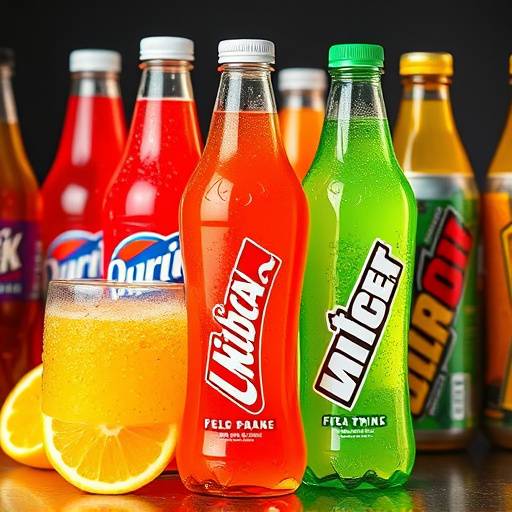
Sugary drinks are a major source of empty calories and added sugars in the American diet, particularly in urban areas like San Francisco where convenient options are readily available. Frequent consumption of sodas, sweetened juices, and energy drinks can lead to weight gain, type 2 diabetes, heart disease, and tooth decay. A single can of soda can contain more than the recommended daily intake of added sugars!
The Health Impact of Sugary Drinks:
-
Weight Gain and Obesity:
Excess sugar consumption leads to increased calorie intake, contributing to weight gain and obesity.
-
Type 2 Diabetes:
High sugar intake can overwhelm the body's ability to regulate blood sugar levels, increasing the risk of developing type 2 diabetes.
-
Heart Disease:
Sugary drinks can raise triglyceride levels and increase the risk of heart disease.
-
Tooth Decay:
Sugar feeds bacteria in the mouth, leading to tooth decay and cavities.
Healthy Alternatives:
-
Water:
The best and most hydrating option! Add slices of lemon, lime, or cucumber for flavor.
-
Sparkling Water:
A bubbly alternative to soda. Try adding a splash of fruit juice or herbal infusions.
-
Unsweetened Tea:
A refreshing and antioxidant-rich beverage. Experiment with different flavors like green tea, black tea, or herbal teas.
-
Infused Water:
Create your own flavored water by adding fruits, vegetables, and herbs to a pitcher of water. Try combinations like strawberry and basil or cucumber and mint.
-
Homemade Smoothies:
Blend fruits, vegetables, and yogurt or milk for a nutritious and filling drink. Be mindful of added sugars.
Expert Tip from Dr. Anya Sharma:
"Start by gradually reducing your intake of sugary drinks. Replace one soda a day with water or unsweetened tea, and see how you feel. You'll be surprised at how quickly your taste buds adjust!"
Decoding Processed Snacks: Chips, Cookies, and Candy Bars

Processed snacks are ubiquitous in modern diets, offering convenience but often lacking nutritional value. Chips, cookies, and candy bars are typically high in unhealthy fats, added sugars, and sodium, contributing to various health problems. It's essential to be mindful of portion sizes and frequency of consumption, especially in a city like San Francisco with endless snack options.
The Health Impact of Processed Snacks:
-
Weight Gain:
High calorie density and low satiety contribute to weight gain.
-
Increased Risk of Chronic Diseases:
High levels of unhealthy fats and added sugars can increase the risk of heart disease, type 2 diabetes, and certain cancers.
-
Blood Sugar Imbalances:
Refined sugars can cause rapid spikes and crashes in blood sugar levels, leading to energy fluctuations and cravings.
-
Nutrient Deficiencies:
Processed snacks often displace nutrient-rich foods, leading to deficiencies in essential vitamins and minerals.
Healthy Alternatives:
-
Fruits and Vegetables:
Naturally sweet and packed with vitamins, minerals, and fiber. A great way to satisfy cravings.
-
Nuts and Seeds:
Provide healthy fats, protein, and fiber. Choose unsalted varieties to control sodium intake.
-
Yogurt:
A good source of protein and calcium. Opt for plain yogurt and add your own fruit or a drizzle of honey.
-
Air-Popped Popcorn:
A whole-grain snack that's low in calories and high in fiber. Avoid excessive butter or salt.
-
Homemade Trail Mix:
Combine nuts, seeds, dried fruits, and a few dark chocolate chips for a customizable and nutritious snack.
Expert Advice from Mark Chen, Certified Health Coach:
"Planning is key! Keep healthy snacks readily available at home and at work to avoid impulsive cravings for unhealthy options. Prepare snack packs with pre-portioned fruits, nuts, or vegetables."
Fast Food Frenzy: Hamburgers, Fries, and Pizzas

Fast food is a convenient and affordable option, but frequent consumption can have detrimental effects on your health. Hamburgers, fries, and pizzas are often high in calories, saturated fat, sodium, and processed ingredients. San Francisco's fast-paced lifestyle often contributes to reliance on these convenient but unhealthy choices.
The Health Impact of Fast Food:
-
Increased Risk of Heart Disease:
High levels of saturated and trans fats can raise cholesterol levels and increase the risk of heart disease.
-
Weight Gain and Obesity:
High calorie density and large portion sizes contribute to weight gain and obesity.
-
High Blood Pressure:
Excessive sodium intake can lead to high blood pressure.
-
Type 2 Diabetes:
Frequent consumption of fast food can increase insulin resistance and the risk of type 2 diabetes.
Healthy Alternatives:
-
Homemade Meals:
Prepare your own meals at home using fresh, whole ingredients. Control portion sizes and nutrient content.
-
Healthier Fast Food Options:
Choose grilled chicken salads, veggie burgers, or lean protein bowls. Request smaller portions and ask for dressings on the side.
-
Meal Prepping:
Prepare meals in advance for the week to avoid last-minute fast food runs.
-
Cooking at Home:
Even simple recipes can be healthier and more satisfying than fast food. Try a quick stir-fry with vegetables and lean protein.
-
Explore Local, Healthy Restaurants:
San Francisco has a wide variety of restaurants specializing in healthy cuisine.
NutritionWise Recommendation:
Opt for healthier versions of your favorite fast food meals by making them at home. For example, bake your own sweet potato fries instead of buying them fried.
The Dangers of Processed Meats: Bacon, Sausage, and Deli Meats

Processed meats are a staple in many diets, often consumed in sandwiches, breakfast dishes, and as snacks. However, these meats, including bacon, sausage, and deli slices, are often high in saturated fat, sodium, and preservatives. Regular consumption has been linked to increased risks of certain health conditions, making it crucial to understand their impact and explore healthier alternatives. This is particularly important in a city like San Francisco, where deli sandwiches and breakfast pastries featuring these meats are readily available.
The Health Impact of Processed Meats:
-
Increased Risk of Certain Cancers:
Studies have shown a link between high consumption of processed meats and an increased risk of colorectal cancer and stomach cancer.
-
Elevated Sodium Levels:
Processed meats often contain high amounts of sodium, which can contribute to high blood pressure and heart disease.
-
High Saturated Fat Content:
Many processed meats are high in saturated fats, which can raise LDL cholesterol levels and increase the risk of heart disease.
-
Preservatives and Additives:
These meats often contain nitrates and nitrites, preservatives that have been linked to health concerns.
Healthy Alternatives:
-
Fresh, Lean Meats:
Choose fresh, lean cuts of beef, poultry, or pork, and prepare them at home without excessive processing.
-
Plant-Based Protein Sources:
Explore plant-based alternatives such as tofu, tempeh, beans, and lentils, which offer protein and fiber without the harmful additives found in processed meats.
-
Fish and Seafood:
Opt for baked or grilled fish and seafood as a healthy protein source, rich in omega-3 fatty acids and low in saturated fat.
-
Homemade Deli Slices:
Roast your own chicken or turkey breast and slice it thinly for sandwiches, controlling the sodium and preservative content.
-
Vegetarian Sandwich Fillings:
Experiment with vegetarian fillings like hummus, avocado, sprouts, and roasted vegetables for a nutritious and satisfying sandwich.
NutritionWise Insight:
Whenever possible, choose nitrate-free and nitrite-free processed meats. Look for labels that indicate minimal processing and lower sodium content.
For personalized nutrition advice and guidance, please
contact us
to schedule a consultation with one of our registered dietitians.